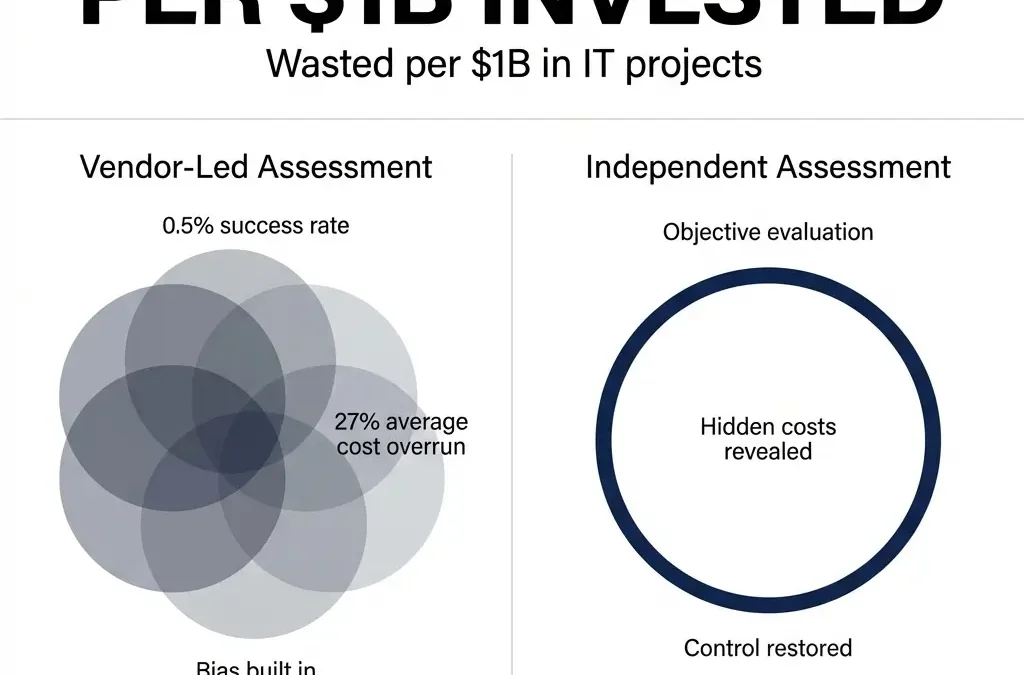
I’ve watched too many executives sign contracts they thought were solid, only to discover the risk assessment came from the same vendor selling the solution. The math tells you everything you need to know. For every $1 billion invested in IT projects in the...
I’ve reviewed hundreds of software contracts that ended in litigation. The pattern is predictable. The Statement of Work looks professional. The Master Service Agreement has all the legal language. Everyone signs with confidence. Then the project starts falling...
I’ve spent years watching organizations commit to software projects that were doomed before a single line of code was written. The pattern is always the same. Leadership gets excited about a vendor pitch. The proposal looks solid. The timeline seems reasonable....
I’ve spent nearly three decades watching IT projects collapse. Not because the technology was impossible. Not because the team was incompetent. Not because requirements changed halfway through. The failure was already there. In the contract. In the plan. In the...
I’ve reviewed hundreds of Statements of Work over the years, and I can spot an overestimated SOW from across the room. The vendor quotes six months when the work should take three. The budget balloons to $500K when similar projects cost $300K. The scope feels...
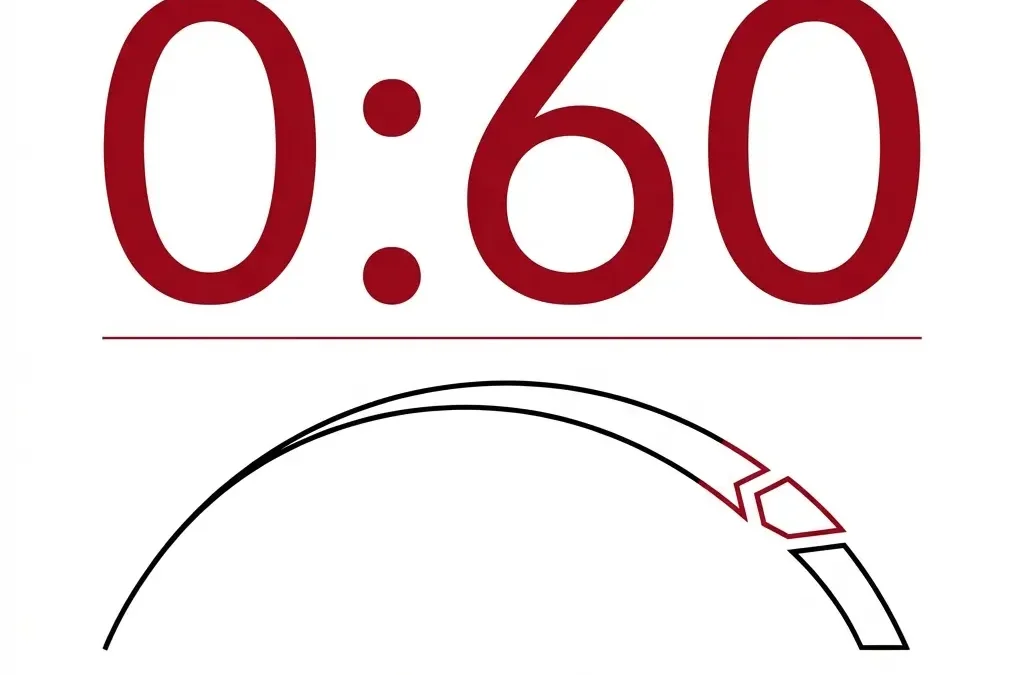
I open a new Statement of Work, and within 60 seconds, I know the project is doomed. Not risky. Not challenging. Doomed. The timeline says six months. The scope section runs 40 pages. Three developers are proposed for 25 distinct features. I don’t need to read...