I open a new Statement of Work, and within 60 seconds, I know the project is doomed. Not risky. Not challenging. Doomed. The timeline says six months. The scope section runs 40 pages. Three developers are proposed for 25 distinct features. I don’t need to read...
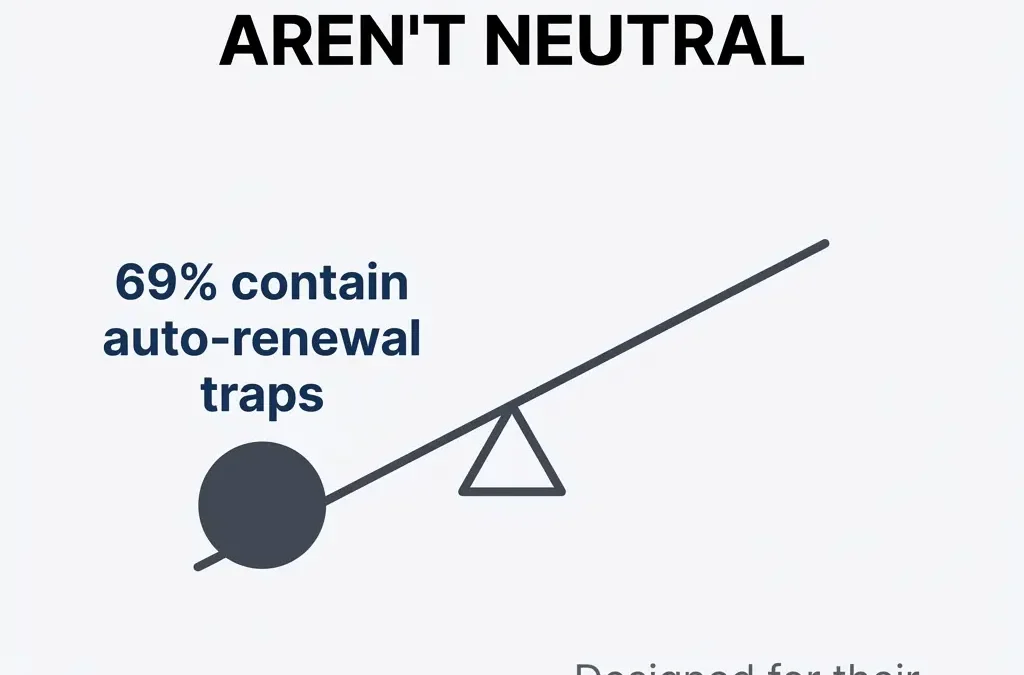
You signed the contract. You shook hands. You believed you had a partnership. Then the first renewal notice arrives. The price jumped 15%. The support you thought was included? That’s an add-on now. The features you expected? Those require a different tier. Your...
Most agencies think risk starts after the contract is signed. That’s wrong. Risk is baked in before you respond to the RFP—inside your proposal language, assumptions, scope boundaries, and delivery promises. And once the client signs? Those risks become your problem....
Contract assumptions are where software projects quietly accumulate risk. They rarely appear as bold warnings. Instead, they are buried in short sections, footnotes, or implied language that shifts responsibility without drawing attention. A weak assumptions list does...